Top 5 Puzzle Games for Relaxation and Brain Training
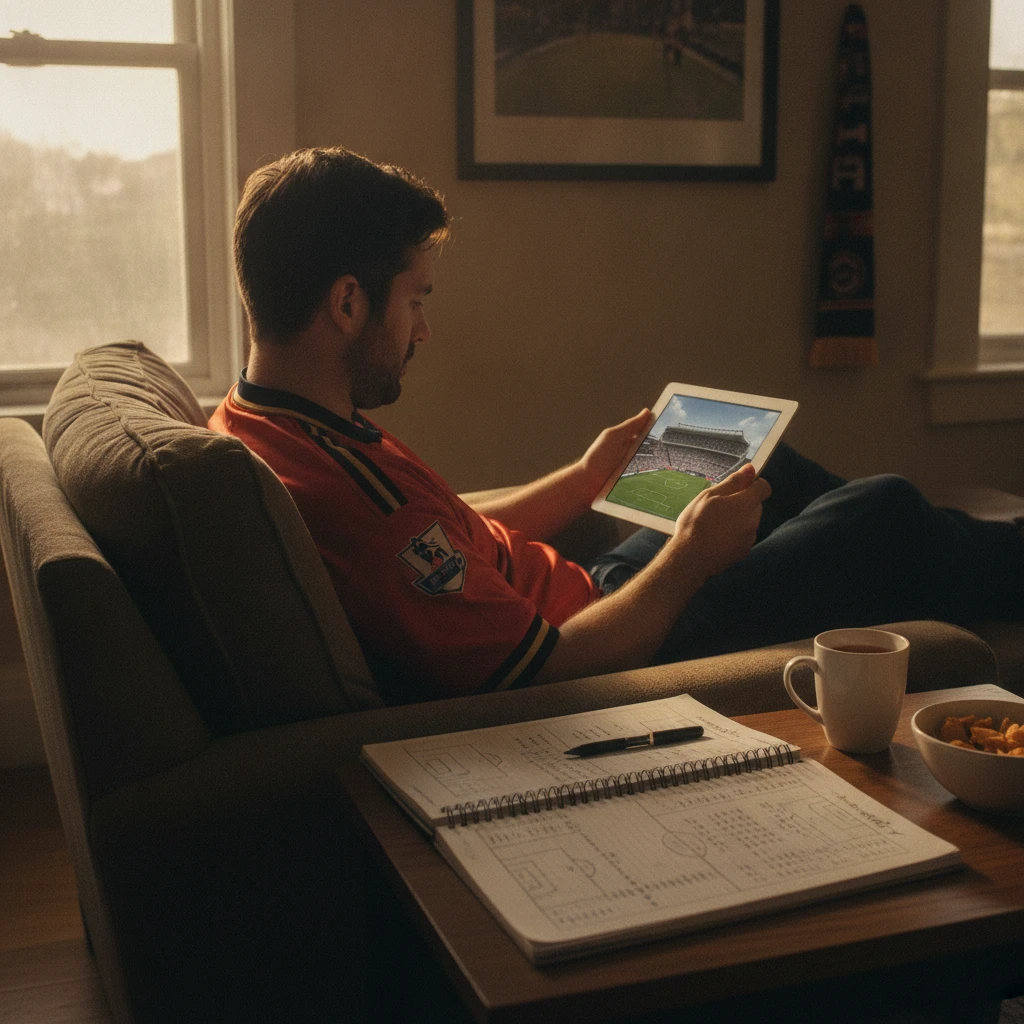
Following football often means tracking fixtures, comparing match statistics, and testing what you know about clubs and players. A puzzle can make a refreshing change of pace: it gives your attention one clear task, whether that is placing a number, finding a word, or spotting a pattern.
Puzzle games are best treated as enjoyable mental engagement, not a guaranteed way to improve memory or concentration. The right choice depends on how much time you have and whether you want a gentle wind-down or a more demanding challenge. Here are five puzzle types that fit a football-focused break.
Why Puzzle Games Pair Well with a Football-Focused Break
Puzzle games offer a self-contained activity that can sit comfortably between football updates, stats browsing, or a longer gaming session. They bring a small mental challenge without requiring you to follow a full match or keep track of live scores.
Football fans already encounter patterns and clues in their regular interests. You might compare a team’s recent results, remember a player’s career path, or notice how a fixture list affects a club’s schedule. Logic puzzles, word puzzles, and number puzzles use some of the same habits of attention, though in a different setting.
The benefit is mainly practical: a puzzle gives you something focused to do for a few minutes. You can pause after one grid or clue and return to football content when you like. That flexibility makes puzzles useful for a short break, but it does not mean every game is relaxing. A timed challenge or a difficulty level that feels too high can add pressure instead.
How We Chose These Five Puzzle Games
These five puzzle games offer different kinds of challenge while remaining easy to understand and suitable for a range of session lengths. The selection prioritizes accessibility, variety, replayability, and the option to play at a comfortable pace.
Each type asks you to use a different approach. Sudoku relies on number logic, word puzzles involve language and clue-solving, and jigsaws invite visual focus. Match-and-connect games reward quick pattern recognition, while football-themed trivia and logic games bring familiar clubs, players, fixtures, and match statistics into the puzzle itself.
We also considered how easy it is to adjust the experience. A good casual puzzle should let you choose a suitable difficulty or stop without losing the appeal of the activity. There is a trade-off: a game designed for short sessions may offer less depth than a larger puzzle, while a more involved challenge can be harder to fit into a quick break.
1. Sudoku for Calm, Structured Problem-Solving
Sudoku is a number-logic puzzle in which you fill a grid according to rules, using deduction rather than arithmetic. Its steady pace and adjustable difficulty make it a natural choice for a quiet, focused break.
In a standard Sudoku, each row, column, and smaller box must contain the required digits without repetition. You start with clues already in place and work out which numbers can legally fit in the empty squares. The task has clear boundaries, so it is easy to pause after a few deductions or complete a whole grid when you have more time.
For a relaxed session, choose an easy puzzle and make a habit of checking candidates before committing to a number. If you enjoy a tougher challenge, move up gradually rather than jumping straight to the hardest setting. Sudoku can feel absorbing, but it may become frustrating if you guess often or rush. Its appeal is the orderly process, not finishing as fast as possible.
2. Word Puzzles for Vocabulary and Clue-Solving
Word puzzles turn vocabulary, clues, and letter patterns into a compact challenge. They suit players who enjoy football trivia because both can reward recall and the ability to connect partial clues.
Depending on the format, you might solve a crossword clue, arrange scrambled letters, find hidden words, or guess a word from a limited set of hints. Some puzzles are forgiving and playful; others depend on precise knowledge or less familiar vocabulary. That variety makes them easy to match to your mood and available time.
Football-themed word puzzles can use club names, player surnames, positions, competitions, or terms from the game. A clue about a past captain, for example, may prompt you to draw on what you remember from team histories. If a puzzle asks for specialist knowledge you do not have, that is a limit of the clue set rather than a failure of your vocabulary. Choose puzzles with hints or a broad range of topics when you want a lighter session.
3. Jigsaw Puzzles for Visual Focus
Jigsaw puzzles ask you to assemble an image from separate pieces, making them a visual, usually untimed alternative to number and word challenges. They are a good fit when you want to focus without racing against a clock.
You can begin by sorting pieces by color, edge, or visible detail, then connect sections that seem to belong together. A football image might show a stadium, a pitch, or a crowd, but the value of the activity comes from the visual search rather than football knowledge. Digital jigsaws are convenient for short sessions; physical puzzles provide a larger surface and can be left set up between breaks.
The main trade-off is time and space. A small puzzle can be satisfying in one sitting, while a large image may take several sessions and require a table you can leave undisturbed. If you want a calm start, choose fewer pieces and an image with distinct colors or clear shapes. A highly uniform image can be a worthwhile challenge, but it is less forgiving when you only have a few minutes.
4. Match-and-Connect Puzzles for Quick Sessions
Match-and-connect puzzles are easy to start because the goal is usually visible: find matching items, link related pieces, or clear a pattern from the board. They offer quick rounds that can fit neatly into a short break.
These games often test pattern recognition and simple planning. You may need to spot a group of matching shapes, connect symbols in a sequence, or decide which move will open up a useful option. The rules are generally quick to learn, although later stages can demand more careful choices.
For a more football-flavored version, look for puzzles that group related symbols or connect teams, players, and competitions. The exact format varies, so check how a game handles time limits and progression before starting. A timed round can add energy, but it may not suit someone looking for a genuinely restful pause. Untimed modes, when available, let you focus on the pattern instead of the countdown.
5. Football-Themed Trivia and Logic Games
Football-themed trivia and logic games combine puzzle-solving with knowledge of clubs, players, fixtures, and match statistics. They are the most direct choice for fans who want a break that still connects to the sport.
Trivia games may ask you to identify a player from career clues, recall a club’s history, or match a competition to a team. Logic formats can go further by asking you to use several clues to determine who played for which club, or to arrange events in the correct order. Match statistics can supply puzzle material too: you might compare scores, appearances, or other figures to infer an answer, depending on the game’s rules.
These challenges can make football knowledge feel active rather than passive. They also have a clear limitation: questions may depend on a particular league, era, or level of expertise. If you want to relax, choose a broad quiz with hints and no strict timer. If you want a harder test, pick a focused topic, such as club history or international fixtures, and treat missed answers as chances to learn rather than a scorecard of your fandom.
How to Choose a Puzzle for Your Break
Choose a puzzle by matching its pace and difficulty to the kind of break you want. A simple check of time, mood, and subject can help you find a game that feels engaging rather than demanding.
- For five quiet minutes: Try one easy Sudoku section, a short word puzzle, or a small untimed matching round.
- For visual calm: Pick a jigsaw with clear color groups and a manageable number of pieces.
- For football knowledge: Choose trivia or logic questions about clubs, players, fixtures, or match statistics you already follow.
- For a stronger challenge: Increase difficulty one step at a time, and avoid using speed as the only measure of success.
A useful rule is to stop or switch when the puzzle becomes more irritating than interesting. Puzzles are entertainment and mental engagement; they complement football games and stats content rather than replacing either one.
Frequently Asked Questions
Are puzzle games good for short breaks?
Yes. Many puzzles have clear stopping points, such as a single word clue, a few Sudoku entries, or one matching round. Choose a format with no forced timer if you want to pause easily.
Which puzzle type is best for a relaxed session?
It depends on what feels calming to you. Untimed jigsaws and easy Sudoku offer a steady pace, while a word puzzle may suit you better if you enjoy language and clues.
Can football trivia count as a brain-training game?
Football trivia can provide mental engagement by asking you to recall facts and connect clues. It is best viewed as an entertaining quiz, not a guaranteed way to improve cognitive ability.
How can I choose a puzzle game at the right difficulty?
Start with a level you can attempt without frequent guessing, then move up when the process feels comfortable. If you are stuck for most of the session, try hints or an easier puzzle; if you solve it immediately, increase the challenge.