Most Entertaining Football Moments in History: Goals, Comebacks, and Drama
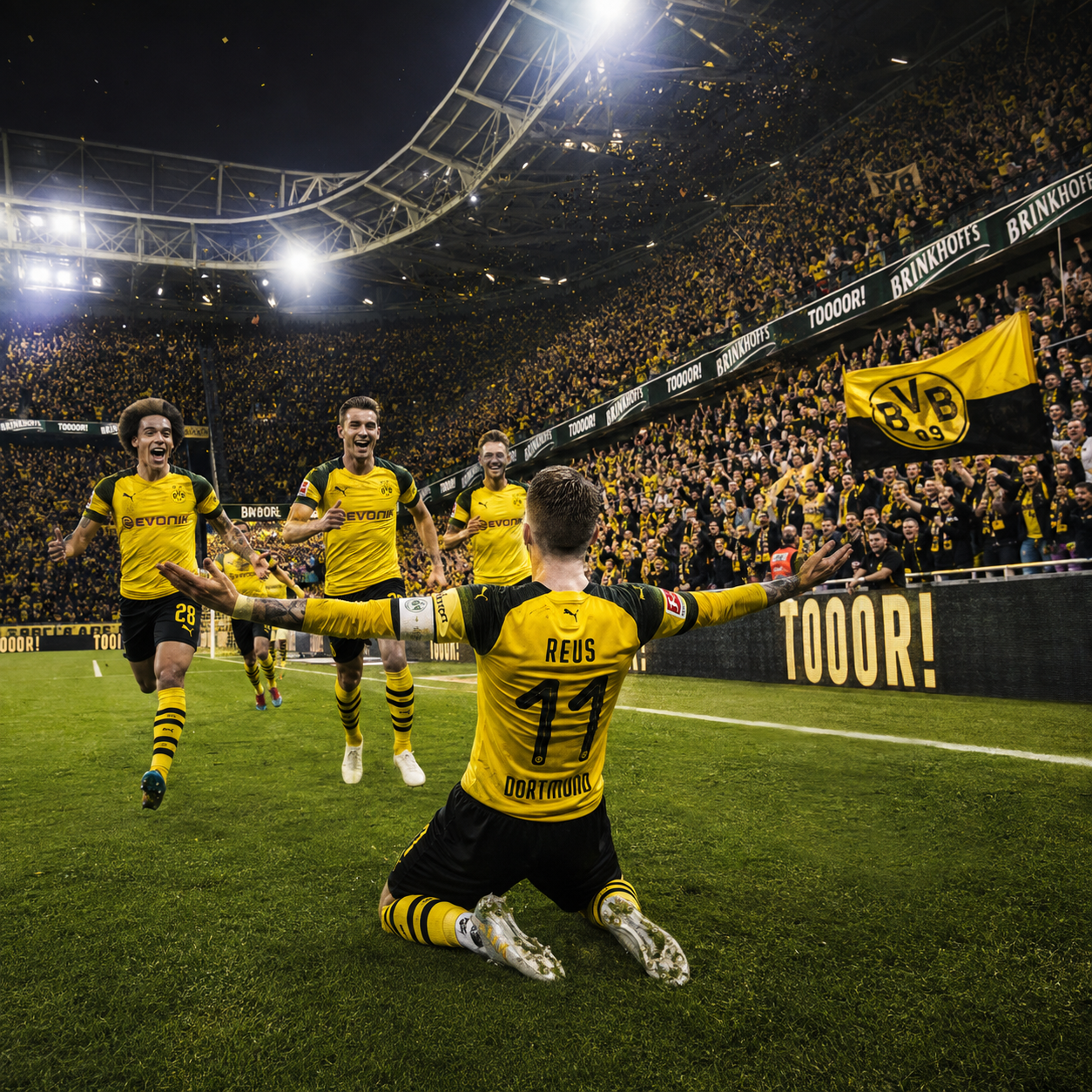
Football creates memories through more than trophies and records. A perfectly struck goal, an impossible comeback, a fearless dribble, or a penalty save can turn an ordinary match into a story remembered for generations. The most entertaining football moments in history combine sporting quality with tension, surprise, emotion, and a sense that anything can happen.
From the World Cup to the UEFA Champions League, these moments also provide excellent material for football quizzes, statistics games, and debates. Was a last-minute winner more thrilling than a spectacular solo run? Did the occasion make a goal memorable, or did the technique do most of the work?
What Makes a Football Moment Entertaining?
An entertaining football moment combines skill, drama, surprise, atmosphere, and meaningful stakes. Statistics help explain what happened, but the emotional context usually determines why fans remember it.
A useful way to judge a moment is through six questions:
- Skill: Did the player show exceptional technique, vision, dribbling, finishing, or goalkeeping?
- Drama: Did the moment change the match, especially late in the game?
- Surprise: Did it defy expectations, such as a long-range strike or an unlikely comeback?
- Atmosphere: How strongly did the crowd, rivalry, or stadium setting amplify the event?
- Historical importance: Did the moment occur in a final, World Cup knockout match, or decisive European tie?
- Statistical significance: Did it set a record, complete a major score reversal, or produce an unusual match statistic?
Entertainment and importance are related but not identical. A technically perfect goal in a routine league match may be more beautiful than a scrappy winner in a final, while the final goal may carry greater historical weight. That distinction makes comparisons more interesting for football stats and games.
For reliable match details, competition records and tournament archives such as FIFA’s official tournament pages provide useful historical context.
Iconic Goals That Changed Matches and Memories
Iconic football goals become unforgettable when technique, timing, and match context arrive together. The best examples are remembered both for how the ball was struck and for what the goal meant.
Diego Maradona’s solo goal, 1986 World Cup
During Argentina’s quarter-final against England at the 1986 World Cup, Diego Maradona collected the ball inside his own half and dribbled past several defenders before finishing. The run combined acceleration, close control, balance, and composure in a single sequence.
Its entertainment value came from the visible progression of danger. Every successful touch created another duel, and each defender seemed to offer a new obstacle. The goal remains a reference point for individual brilliance because the entire attack came from one player’s movement and decision-making.
Zinedine Zidane’s volley, 2002 Champions League final
In the 2002 UEFA Champions League final, Zinedine Zidane met Roberto Carlos’s high cross with a left-footed volley that flew into the corner. The technique was difficult: the ball arrived above waist height, yet Zidane generated control and power without taking a settling touch.
The goal gave Real Madrid a 2–1 victory over Bayer Leverkusen and illustrated how a single moment can define a final. It was not a long attacking sequence, but its timing, difficulty, and precision made it one of the competition’s most replayed finishes.
Andrés Iniesta’s World Cup final winner, 2010
Andrés Iniesta’s extra-time goal for Spain against the Netherlands in the 2010 World Cup final arrived in the 116th minute. With the match still level at 0–0, Iniesta controlled Cesc Fàbregas’s pass and finished decisively.
The statistic is simple but powerful: one goal decided the world champion with only a few minutes left to play. The celebration, including the tribute to Dani Jarque, added emotional meaning and turned a late finish into a cultural memory.
Greatest Comebacks and Last-Minute Wins
Historic comebacks entertain because they transform a match from predictable to impossible. The most dramatic examples feature large deficits, rapid score changes, or last-minute winners that leave almost no time for a response.
Liverpool’s comeback against AC Milan, 2005
The 2005 UEFA Champions League final in Istanbul is the classic comeback story. AC Milan led Liverpool 3–0 at half-time, but Liverpool scored three times in the second half to make it 3–3. The match then went to penalties, where Liverpool won 3–2.
The six-minute spell containing Liverpool’s three goals changed the mood of the entire stadium. Steven Gerrard, Vladimir Smicer, and Xabi Alonso supplied the goals, while goalkeeper Jerzy Dudek made the decisive shootout save. The match combines a three-goal recovery, extra-time pressure, and a penalty finish, giving it several layers of entertainment.
Barcelona against Paris Saint-Germain, 2017
Barcelona’s 6–1 victory over Paris Saint-Germain in the 2017 Champions League round of 16 completed a remarkable 6–5 aggregate comeback. Barcelona had lost the first leg 4–0, then still needed three goals after Edinson Cavani scored in the second leg.
The decisive sequence arrived in the closing minutes. Neymar scored in the 88th and 91st minutes before setting up Sergi Roberto’s 95th-minute winner. The aggregate score changed from a seemingly secure Paris Saint-Germain advantage to elimination within one extraordinary evening.
Last-minute winners and added-time tension
Late goals are entertaining because the clock creates a clear countdown. Manchester United’s 1999 Champions League final victory over Bayern Munich remains a famous example: Teddy Sheringham equalized in the 91st minute, and Ole Gunnar Solskjær scored the winner in the 93rd minute.
These moments are ideal for statistical comparisons. A quiz might ask which team scored first, how many minutes separated the two goals, or which side held the lead for most of the match. The answer often reveals why scoreline snapshots can be misleading: dominance over 90 minutes does not guarantee the final result.
Skill, Dribbling, and Moments of Individual Brilliance
Individual brilliance entertains by turning a difficult situation into an apparently effortless football solution. Dribbling, unexpected tricks, creative passing, and audacious finishes allow one player to change the rhythm of a match.
Ronaldo Nazário against Compostela, 1996
Playing for Barcelona, Ronaldo Nazário produced a famous solo run against Compostela in La Liga. He received the ball deep, accelerated through challenges, resisted contact, and finished after carrying possession a remarkable distance.
The moment is entertaining because it shows several skills at once: speed over distance, close control at high pace, strength through contact, and a calm final touch. It also demonstrates why basic statistics such as goals and assists cannot fully describe a player’s influence.
Lionel Messi’s individual runs
Lionel Messi’s solo goals, particularly his run against Getafe in 2007, became modern examples of close-control dribbling. Messi carried the ball through a crowded defensive shape, changed direction repeatedly, and finished with the composure of a striker who had received a simple pass.
For football games and discussion prompts, these runs invite useful questions: How many defenders were bypassed? Where did the run begin? Did the player rely more on acceleration, balance, or body feints? The most entertaining answer may differ from the most statistically productive one.
Unexpected technique
Some of football’s best highlights come from actions players rarely attempt: a rabona cross, a bicycle kick, a backheel finish, or a goalkeeper scoring from distance. Cristiano Ronaldo’s overhead kick against Juventus in 2018 combined athletic elevation with precise contact, and even the opposing supporters acknowledged its quality.
Choosing spectacular technique means accepting a trade-off: rare skills produce unforgettable highlights, but they occur less often and may have less tactical value than a simple finish.
Penalty Shootouts and Other High-Pressure Drama
Penalty shootouts create suspense because each kick carries a visible, immediate consequence. The contest reduces a complex team sport to a sequence of individual decisions involving technique, psychology, goalkeeper movement, and pressure.
The 2006 World Cup final shootout between Italy and France ended 5–3 to Italy after David Trezeguet missed France’s second penalty. Italy converted all five of its kicks, while Fabio Grosso scored the winning penalty. The shootout followed a 1–1 draw and added a stark final chapter to an already tense match.
Goalkeeper saves can be equally memorable. In the 2008 Champions League final, Manchester United defeated Chelsea 6–5 on penalties after a 1–1 draw. Edwin van der Sar saved Nicolas Anelka’s attempt, while John Terry’s earlier slip had already shifted the emotional balance.
Penalty drama can be measured through:
- The number of successful kicks and misses.
- The order of the decisive penalties.
- Whether a goalkeeper saved a kick or benefited from a miss.
- The match stage and consequences of elimination.
There is also a limitation. Shootouts are compelling television, but they do not perfectly measure which team played better across 120 minutes. They are a pressure test layered onto the match rather than a complete summary of it.
Celebrations, Crowd Reactions, and Unforgettable Scenes
Celebrations and crowd reactions make football moments feel communal. A goal becomes larger when players, supporters, coaches, and entire cities respond at the same time.
Roger Milla’s corner-flag dance during the 1990 World Cup gave football one of its most recognizable celebrations. It was joyful, distinctive, and connected to Cameroon’s historic run. The dance mattered because it expressed personality as clearly as the goals themselves.
Eric Cantona’s calm, arms-out celebration after scoring for Manchester United, Mario Balotelli’s pose against Germany at Euro 2012, and Cristiano Ronaldo’s trademark celebration all show how players can turn a reaction into a lasting visual signature. These scenes become part of football culture, appearing in broadcasts, video games, quizzes, and fan-made compilations.
Crowd reactions add another layer. A last-minute winner can produce silence from one end of a stadium and an eruption from the other. In a derby or final, the sound, movement, and facial expressions often communicate the stakes faster than a match report. For a football quiz, showing only the celebration and asking viewers to identify the competition, scorer, or scoreline can be surprisingly difficult.
How to Rank the Most Entertaining Moments
Rank entertaining football moments by combining excitement, skill, stakes, surprise, audience reaction, and legacy. A transparent framework prevents famous names from automatically winning every comparison.
Use a 30-point scoring model, awarding up to five points in each category:
- Excitement: Did the moment produce immediate suspense or a dramatic change?
- Skill: How difficult was the technique, decision, or execution?
- Stakes: Did it affect a final, knockout tie, title race, or World Cup outcome?
- Surprise: Did it defy the likely result or normal tactical expectations?
- Audience reaction: How strongly did supporters and viewers respond?
- Legacy: Is it still discussed, replayed, taught, or used in football games?
This model creates better debates than a simple list. Maradona’s solo goal may score highest for skill, while Liverpool’s Istanbul comeback could lead for excitement and stakes. A penalty shootout may dominate suspense but score lower for individual technique than an extraordinary volley.
When comparing different eras, adjust for context rather than pretending conditions were identical. Consider competition format, broadcast technology, pitch quality, tactical trends, and the quality of opposition. Match statistics provide evidence, but memory supplies the final ingredient.
Frequently Asked Questions
What is the most entertaining football moment in history?
There is no universally correct choice, but Liverpool’s 2005 Champions League comeback, Maradona’s 1986 solo goal, and Barcelona’s 2017 recovery against Paris Saint-Germain are leading candidates because they combine skill, drama, and high stakes.
What makes a football comeback memorable?
A football comeback becomes memorable when the deficit is large, the score changes quickly, and the decisive goals arrive late. The quality of the opposition and the importance of the competition also increase its impact.
Which football competitions produce the most dramatic moments?
The World Cup and UEFA Champions League regularly produce dramatic moments because they bring together elite players, knockout pressure, global audiences, and matches that can define a club or national team’s history.
How can football moments be compared across different eras?
Compare the same core elements: technique, match stakes, timing, scoreline, opponent quality, crowd reaction, and historical legacy. Avoid relying only on modern viewing numbers or raw statistics, because football coverage and competition formats have changed.
The most entertaining football moments remain powerful because they compress an entire football story into a few seconds: a player takes a risk, a crowd holds its breath, and the match suddenly changes direction. That combination of statistics and emotion is what keeps iconic goals, historic comebacks, penalty shootouts, celebrations, and moments of individual brilliance alive across generations.